

The Wonders of
Our Solar System & Beyond
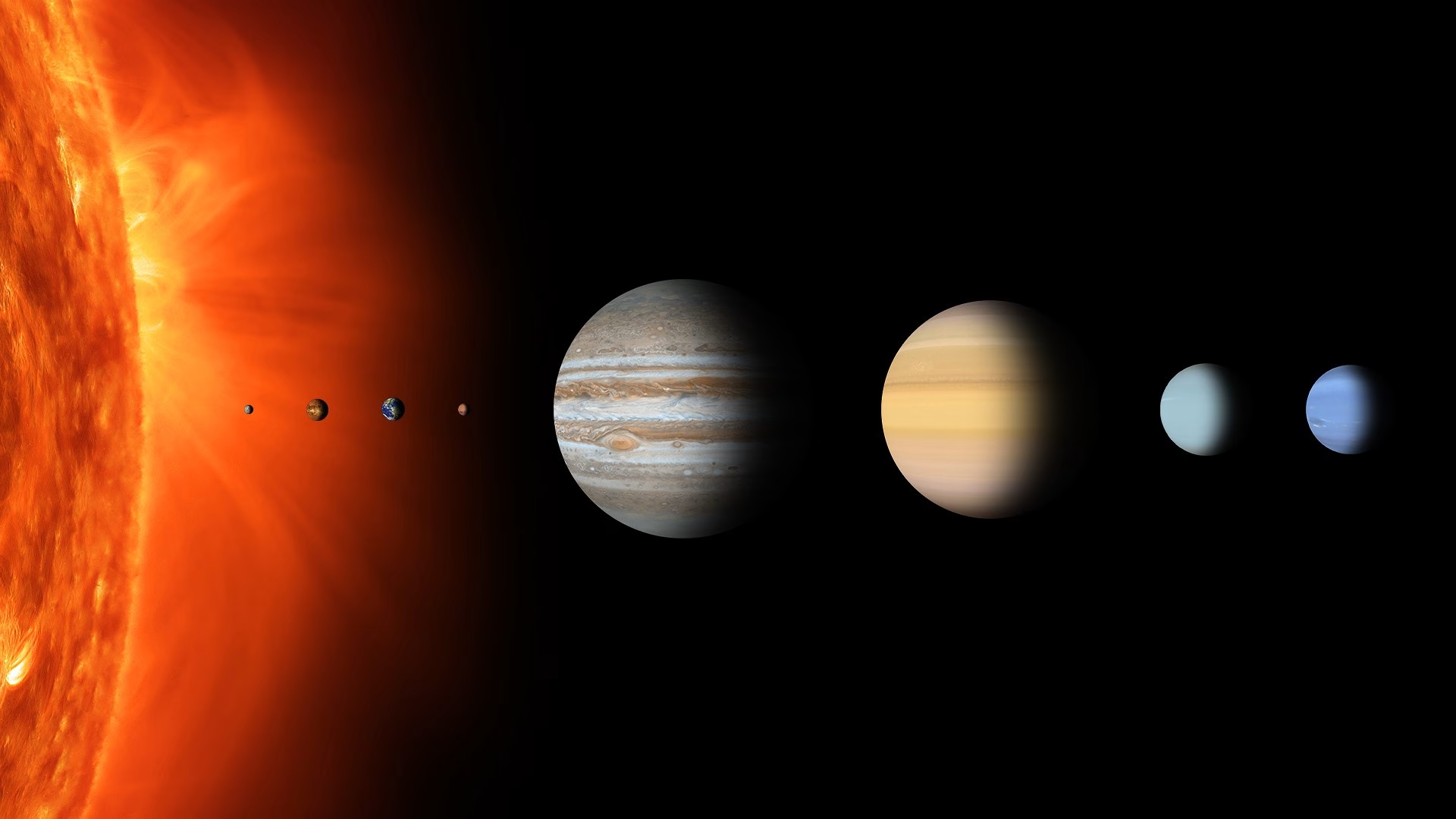
Welcome to an exploration of our Solar System, a vast and fascinating realm of celestial bodies orbiting our Sun. From the scorching surface of Mercury to the icy plains of Neptune, each planet and moon holds its unique wonders and secrets.
The Sun: Our Guiding Star
At the heart of our Solar System lies the Sun, a massive ball of glowing gases. It provides the energy that sustains life on Earth and drives the climatic and weather systems on our planet. The Sun’s immense gravitational pull keeps all the planets in orbit, maintaining the delicate balance of our cosmic neighborhood.
Learn more
The Inner Planets: Rocky Worlds
Mercury: The smallest planet, closest to the Sun, with extreme temperatures and a cratered surface.
Venus: Earth’s “sister planet,” known for its thick, toxic atmosphere and scorching surface temperatures.
Earth: Our home, teeming with life, oceans, and diverse ecosystems.
Mars: The Red Planet, with its dusty, rocky terrain and the largest volcano and canyon in the Solar System.
The Outer Planets: Gas Giants and Ice Giants
Jupiter: The largest planet, a gas giant with a Great Red Spot, a massive storm that has raged for centuries.
Saturn: Famous for its stunning ring system, composed of ice and rock particles.
Uranus: An ice giant with a unique sideways rotation and faint rings.
Neptune: The farthest planet, known for its deep blue color and strong winds.
Planet Profiles
The Sun is the central star of our Solar System, a colossal sphere of hot plasma that provides the essential energy for life on Earth. Its immense gravity holds the Solar System together, influencing the orbits of all the planets, asteroids, and comets.
Learn more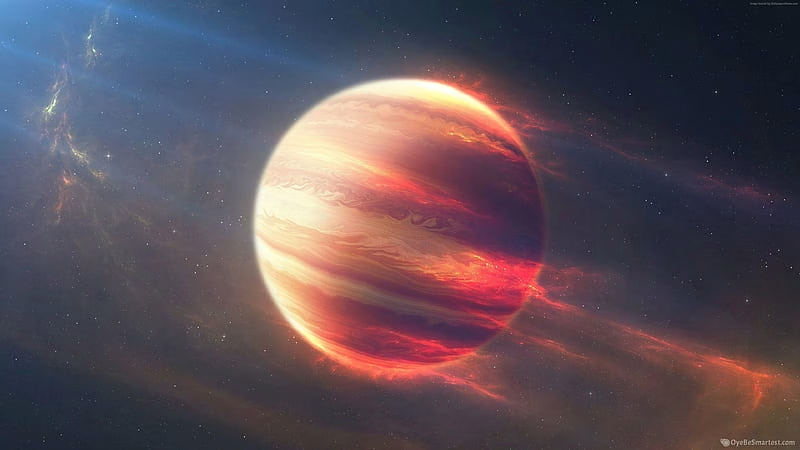
Mercury is the smallest planet and closest to the Sun, with a surface marked by craters and extreme temperature fluctuations. Its thin atmosphere offers little protection from the Sun’s intense heat, resulting in scorching daytime temperatures and freezing nights.
Learn more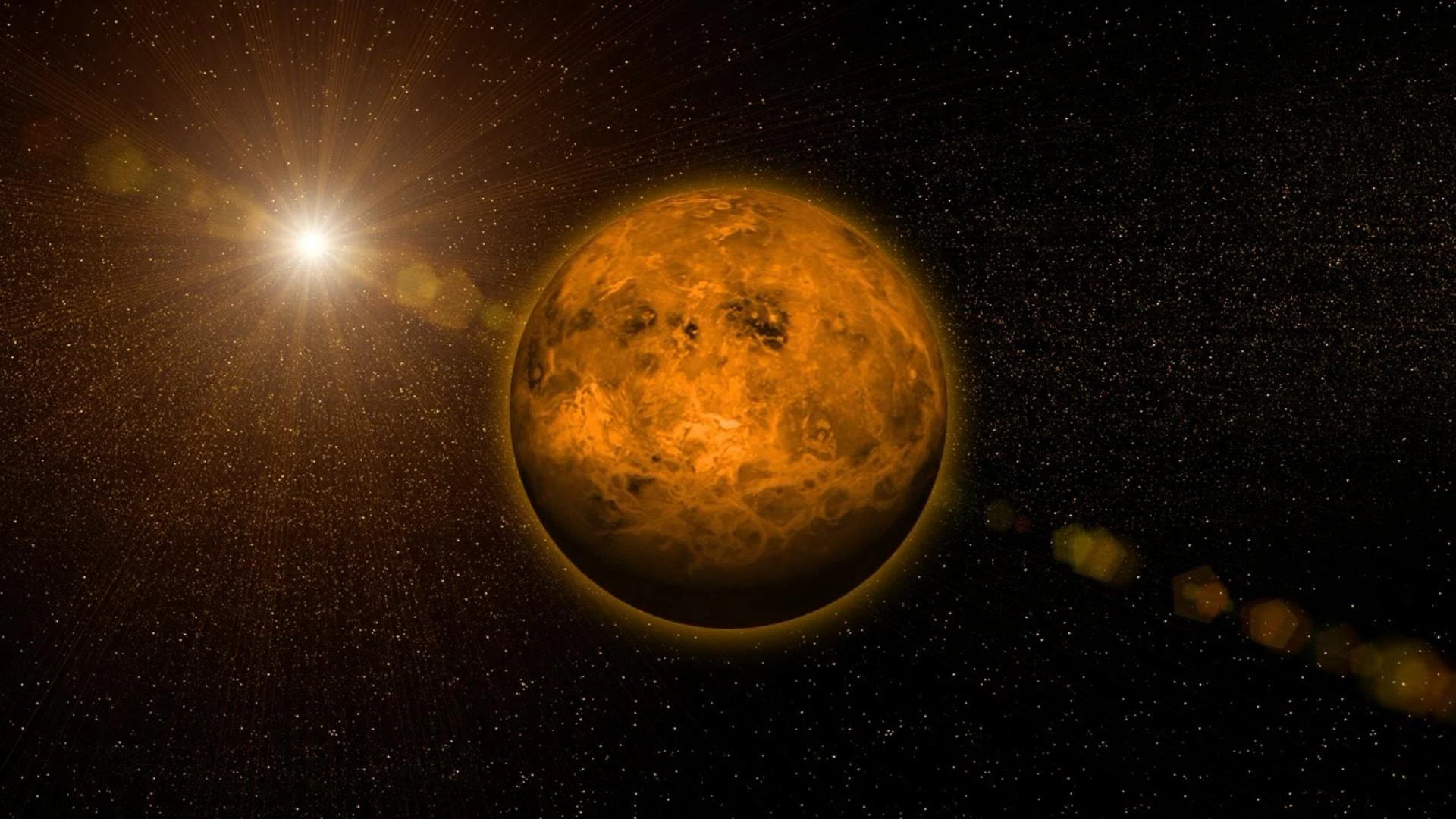
Venus, often called Earth’s sister planet, has a thick, toxic atmosphere rich in carbon dioxide, with clouds of sulfuric acid. Its surface is hot enough to melt lead, and the planet experiences a runaway greenhouse effect, making it the hottest planet in our Solar System.
Learn more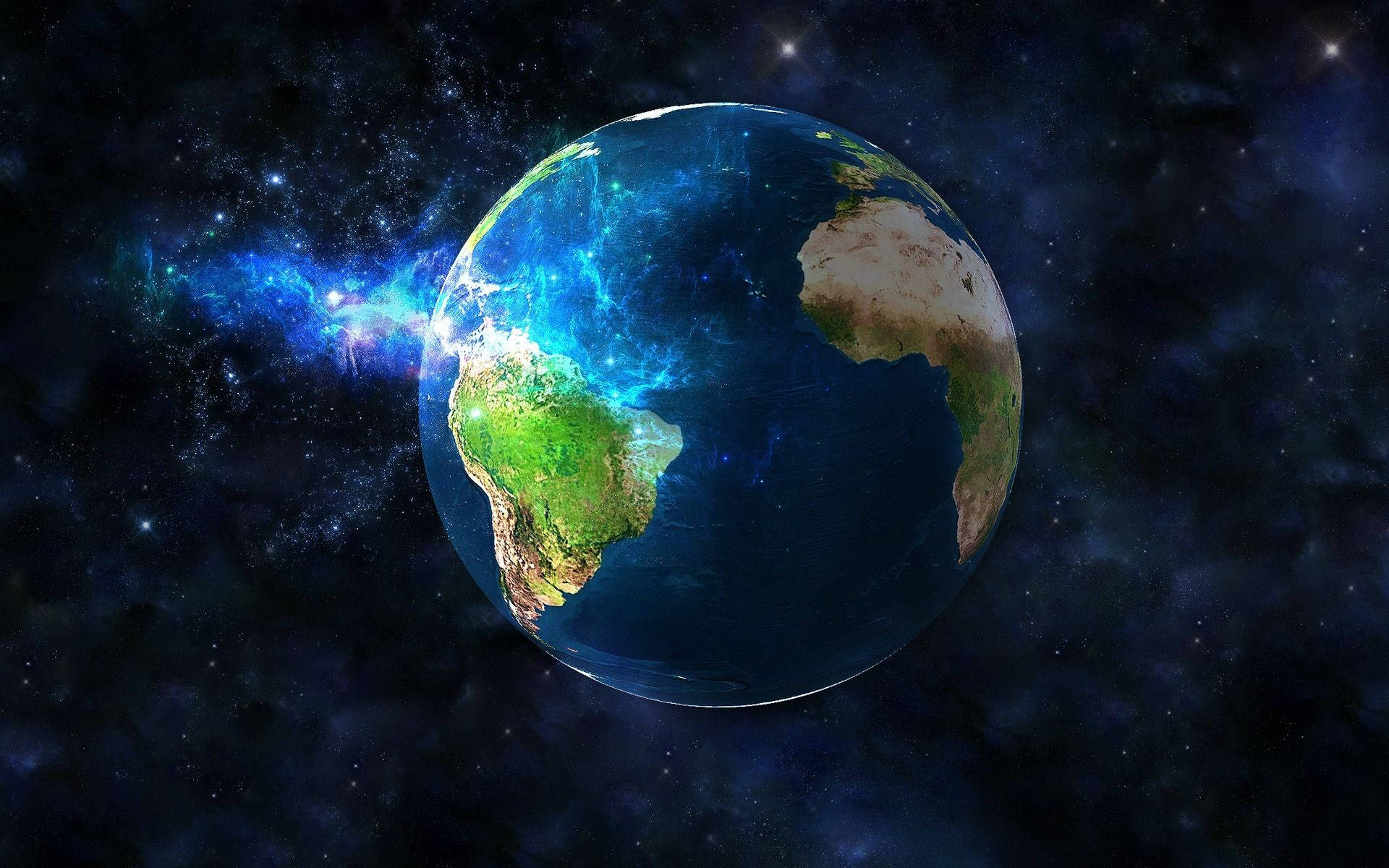
Earth is the only planet known to support life, with its abundant water, diverse ecosystems, and protective atmosphere. It has a dynamic climate and weather system, and its position in the Solar System allows for the perfect balance of conditions for life to thrive.
Learn more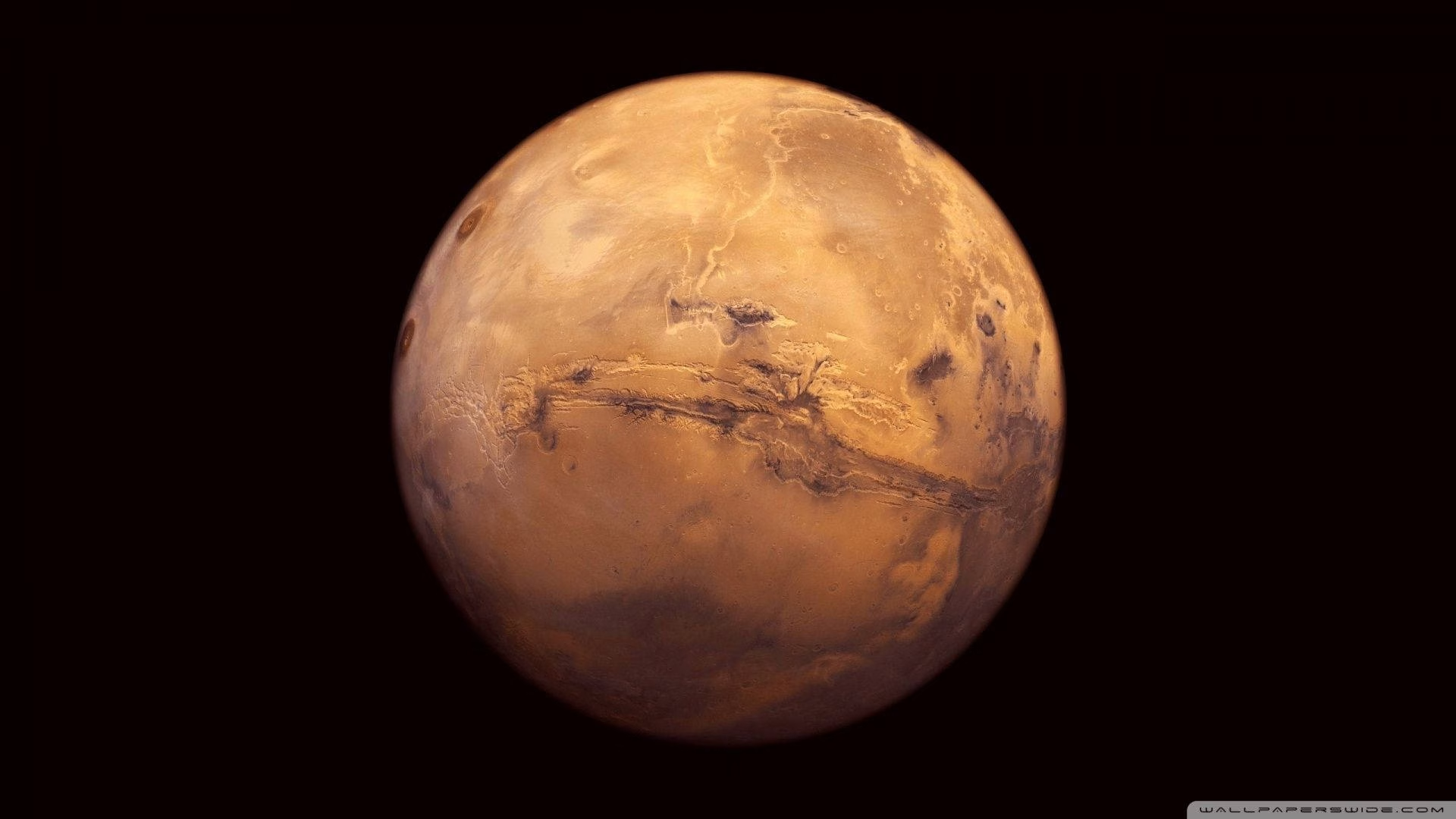
Mars, the Red Planet, is characterized by its reddish appearance due to iron oxide on its surface. It has the tallest volcano and the deepest, longest canyon in the Solar System. Mars’ thin atmosphere and cold temperatures present challenges for potential human exploration.
Learn more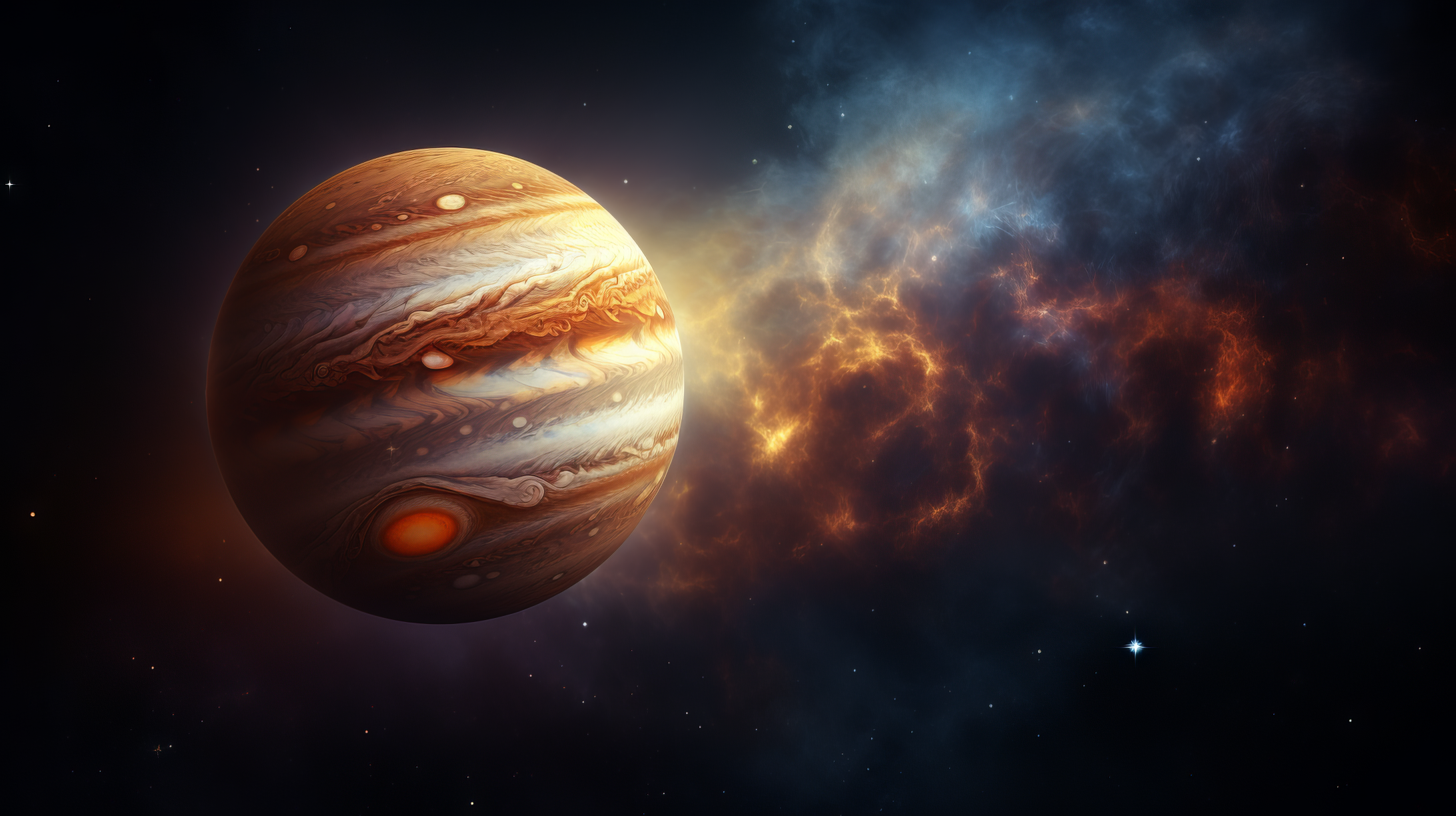
Jupiter is the largest planet, a gas giant with a massive, swirling atmosphere. Its Great Red Spot is a gigantic storm that has raged for centuries. Jupiter has a strong magnetic field and dozens of moons, including the four large Galilean moons.
Learn more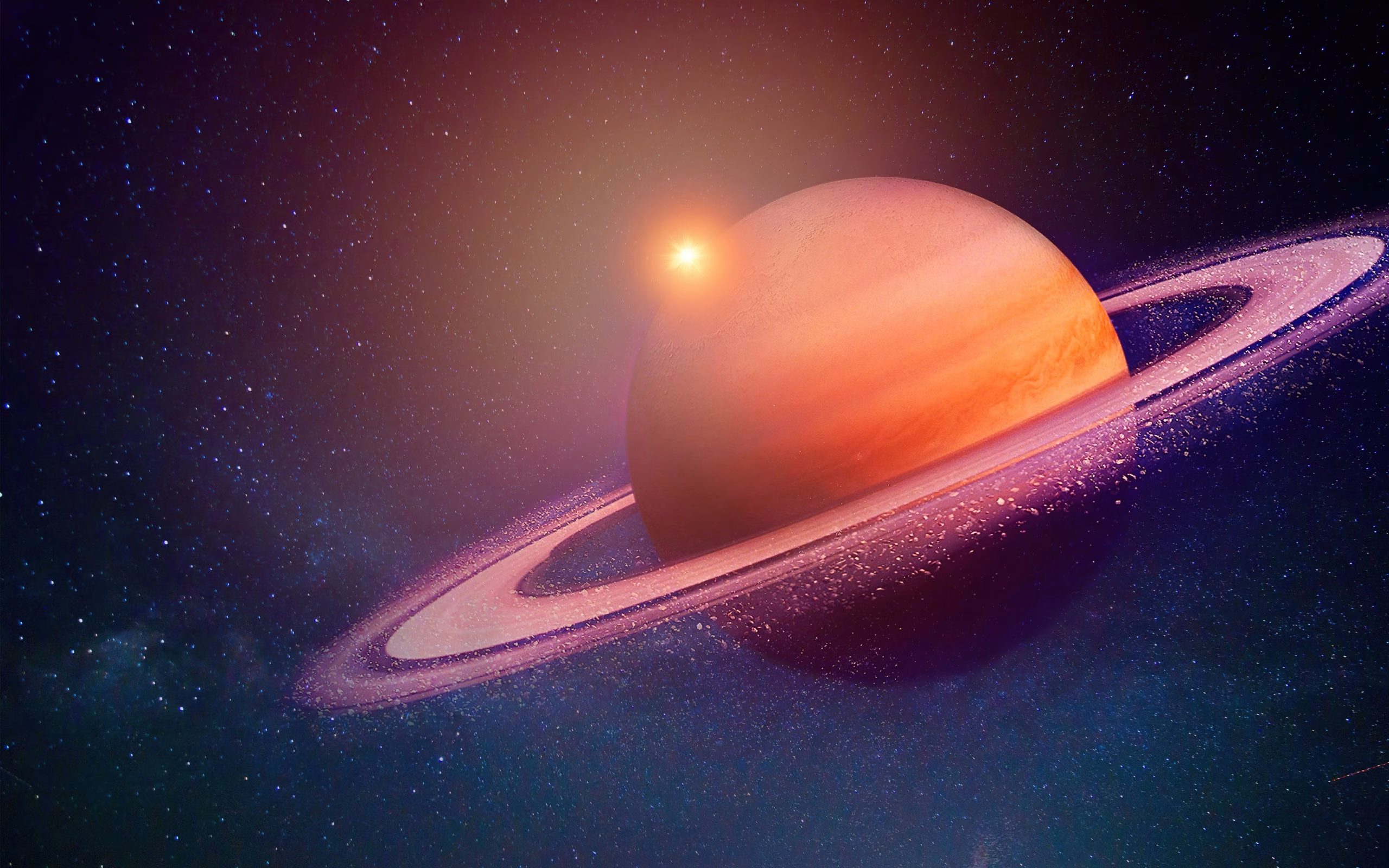
Saturn is renowned for its spectacular ring system, composed of ice and rock particles. It is a gas giant like Jupiter, with a thick atmosphere primarily of hydrogen and helium. Saturn’s moons, such as Titan and Enceladus, are of great interest due to their potential for harboring life.
Learn more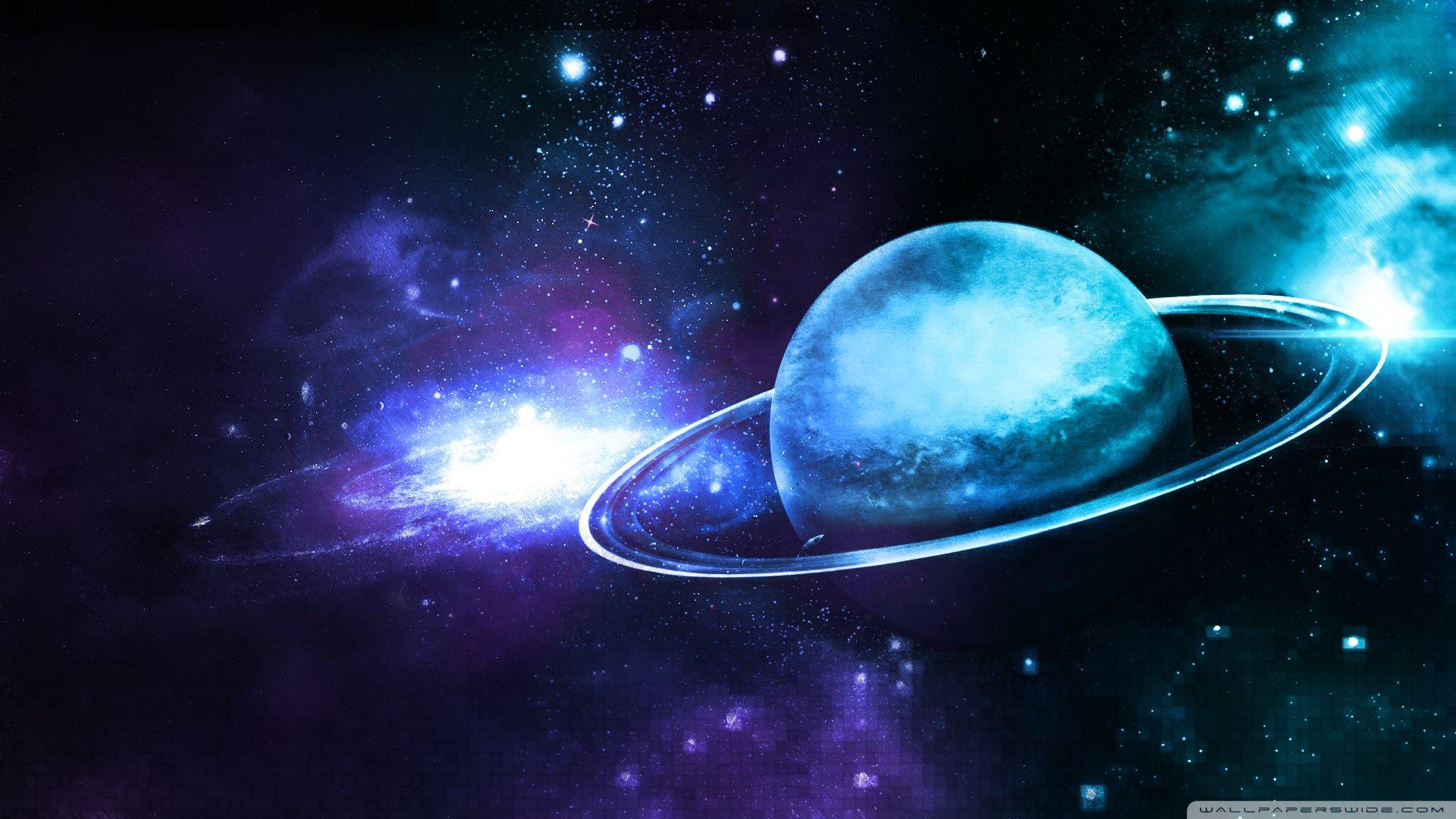
Uranus is an ice giant with a unique blue-green color due to methane in its atmosphere. It rotates on its side, making its axial tilt the most extreme in the Solar System. Uranus has a faint ring system and numerous moons.
Learn more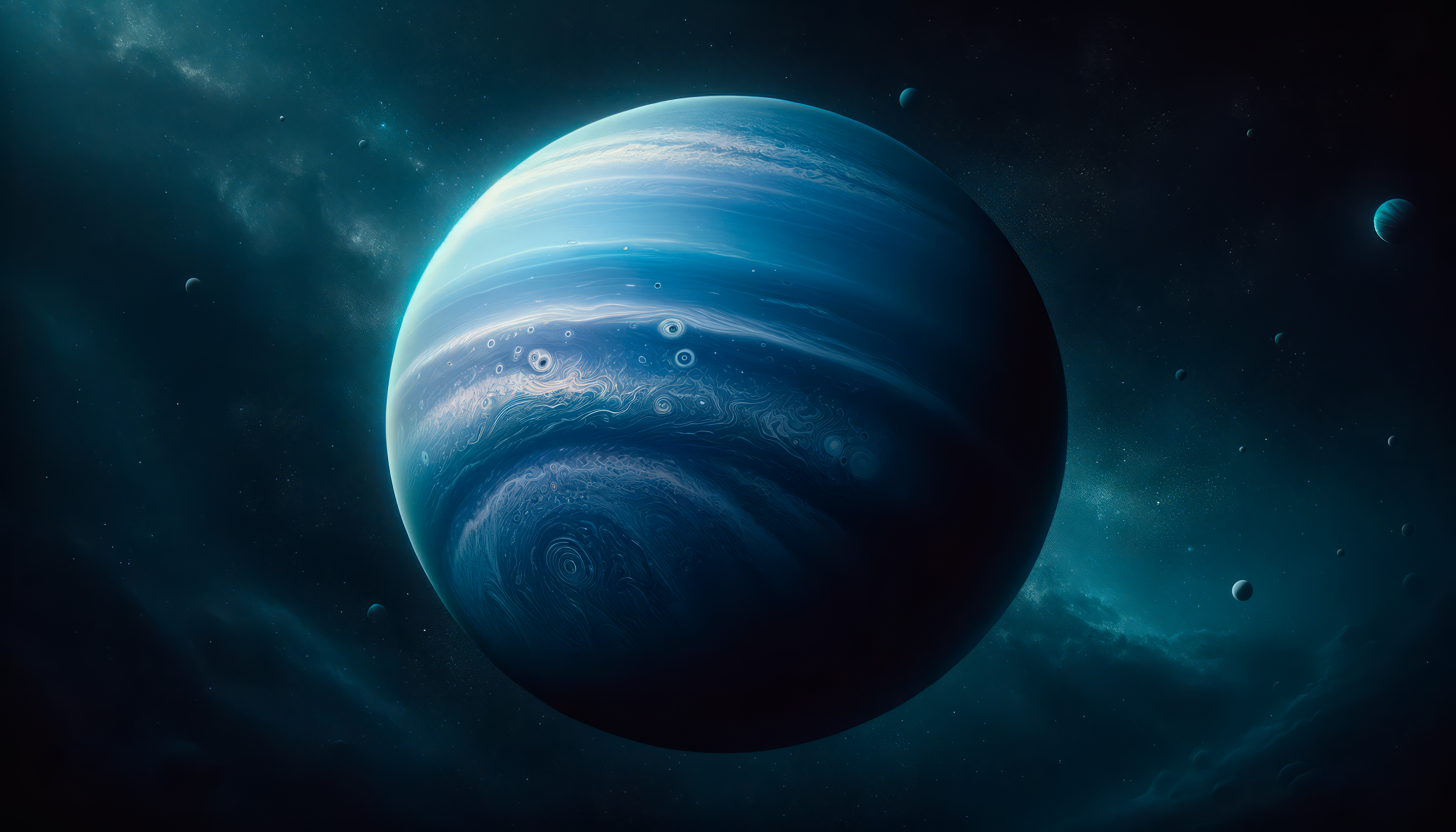
Neptune is the farthest planet from the Sun, an ice giant with a deep blue color. It has the strongest winds in the Solar System, reaching speeds of over 1,200 miles per hour. Neptune’s largest moon, Triton, is geologically active, with geysers of liquid nitrogen.
Learn more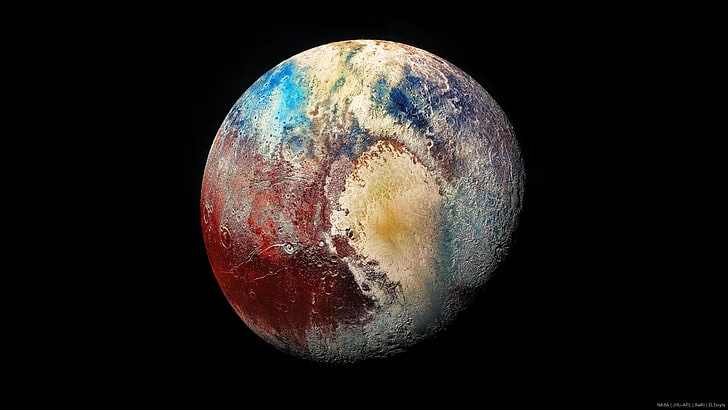
Once considered the ninth planet, Pluto is now classified as a dwarf planet. It resides in the Kuiper Belt and has a complex surface with mountains, valleys, and plains of nitrogen ice. Pluto’s largest moon, Charon, is nearly half its size, making the pair a fascinating double system.
Learn more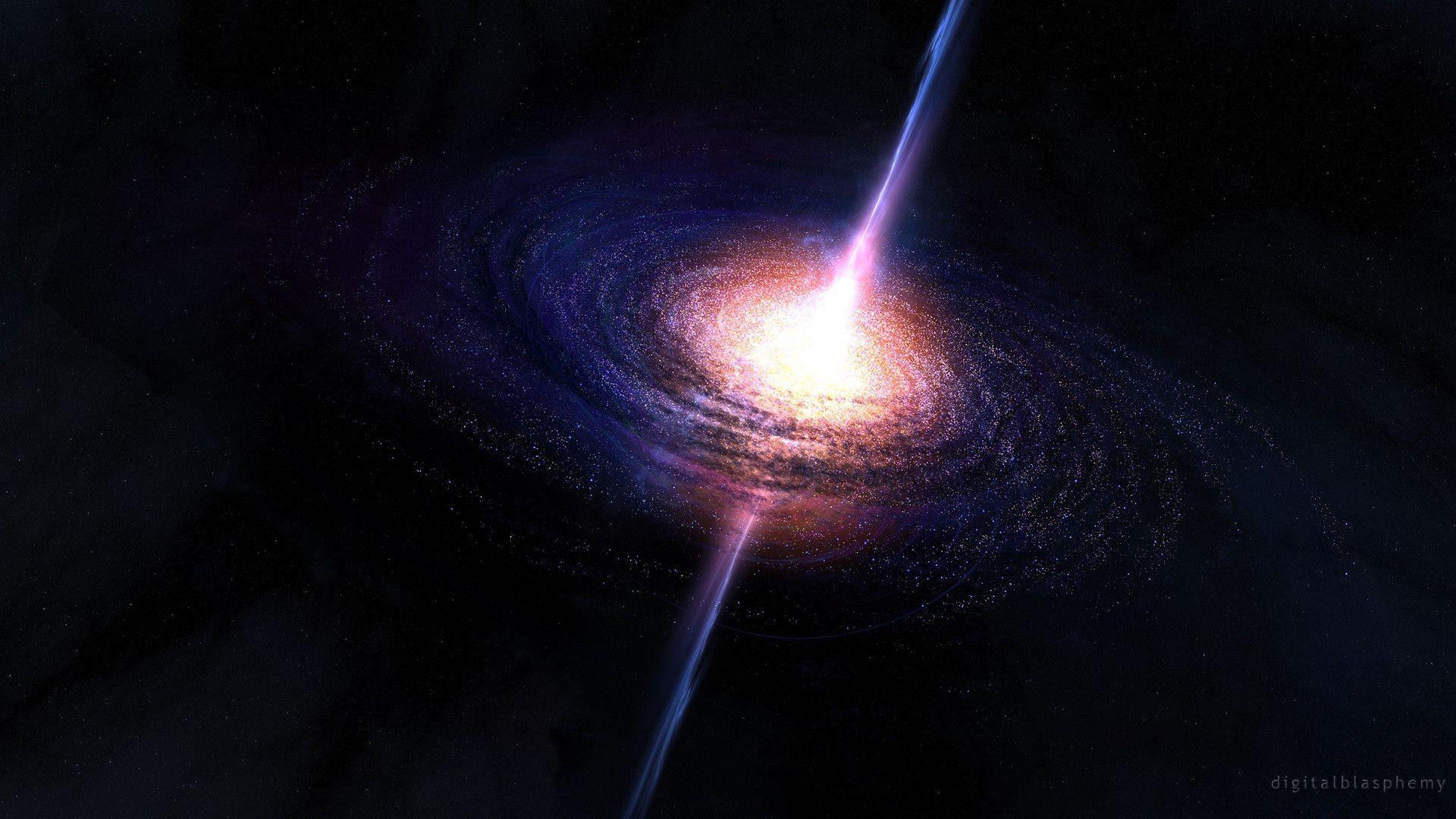
Black holes are regions in space where the gravitational pull is so intense that nothing, not even light, can escape from them. They are formed from the remnants of massive stars that have collapsed under their own gravity. Despite their invisibility, black holes can be detected by observing the behavior of nearby matter and the radiation emitted from the area surrounding them.
Learn more